Getting Started with Startup Operations
Learn how to build the operational backbone of your startup — from project management and financial tracking to internal communication and process documentation that scales with your team.
Overview
Operations is the glue that holds a startup together as it grows. In the early days, when you are two or three people, operations happens naturally — everyone knows what is going on because you are sitting next to each other (or in the same Slack channel). But as you grow past five people, things start falling through the cracks: tasks get duplicated, context gets lost, and alignment breaks down. Good operations means having the right systems in place so that information flows freely, decisions are made efficiently, and nothing important gets dropped. This does not mean bureaucracy — it means lightweight, intentional processes that give your team clarity without slowing them down. The goal is to make the default behavior the right behavior, through well-chosen tools, clear documentation, and consistent rhythms.
Key Concepts to Understand
OKRs (Objectives and Key Results)
A goal-setting framework where objectives describe what you want to achieve and key results are measurable outcomes that indicate progress. OKRs align the team around priorities and create accountability. Keep them simple — 2-3 objectives per quarter with 2-3 key results each.
SOPs (Standard Operating Procedures)
Step-by-step instructions for recurring processes like employee onboarding, customer support escalation, or monthly financial close. SOPs ensure consistency, reduce errors, and make it possible to delegate tasks confidently. Write them as you go, not all at once.
Financial Runway
The number of months your startup can operate at its current burn rate before running out of cash. Knowing your runway at all times is fundamental to making hiring, spending, and fundraising decisions. Track it monthly and plan major decisions around it.
Tool Stack
The collection of software tools your team uses to operate. A good tool stack is small, integrated, and well-adopted. Every tool should solve a specific problem and the team should know when to use which tool. Fewer, well-used tools beat many, underutilized ones.
Your First Steps
Set up a central knowledge base
Create a single place where all company information lives: meeting notes, decisions, processes, and reference documents. Organize it clearly with sections for each team or function. Make it the default answer to 'where do I find information about X?' Train the team to document, not just discuss.
Establish your communication stack
Define which tools are used for what: real-time chat for quick coordination, your knowledge base for decisions and documentation, email for external communication. Create channel conventions (naming, purpose, expected response times) so messages go to the right place.
Set up financial tracking
Use accounting software from day one, even if you only have a few transactions. Categorize expenses consistently, reconcile monthly, and always know your cash balance and burn rate. This discipline pays off enormously during fundraising, tax season, and strategic planning.
Implement a lightweight project management system
Choose a project management tool and define a simple workflow. Start with just a few statuses (to do, in progress, done) and add complexity only as needed. The goal is visibility — everyone should be able to see what is being worked on, what is blocked, and what is coming next.
Create a weekly team rhythm
Establish a weekly cadence that includes an all-hands update (async or sync), individual one-on-ones between managers and reports, and a brief planning session to set the week's priorities. Consistent rhythms reduce the overhead of coordination and build team cohesion.
Common Mistakes to Avoid
Adding tools and processes before you actually need them
Premature process creates overhead without solving a real problem. Add systems when you feel the pain of not having them — when things get dropped, when people are confused, or when you spend too much time coordinating. Solve the pain you have, not the pain you might have.
Not tracking burn rate and runway consistently
Check your bank balance and calculate runway at least monthly. Many startups have been surprised by how fast cash disappears. Set up a simple spreadsheet or accounting dashboard that shows monthly expenses, revenue, and remaining runway.
Keeping all knowledge in people's heads instead of documentation
If only one person knows how something works, you have a single point of failure. Document critical processes as you do them — it takes 15 minutes now and saves hours later when that person is on vacation, sick, or has moved on.
Letting meetings fill up everyone's calendar
Audit your recurring meetings quarterly. Cancel any meeting that does not have a clear purpose, consistent attendance, and actionable outcomes. Protect maker time (blocks of 3+ uninterrupted hours) for people who do creative or technical work.
Our Top Picks

Notion
All-in-one workspace for notes, docs, wikis, and projects.

Slack
Where work happens.

Google Workspace
Professional email, online storage, shared calendars, and video meetings.
QuickBooks
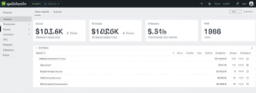
Accounting software for small businesses.
Linear
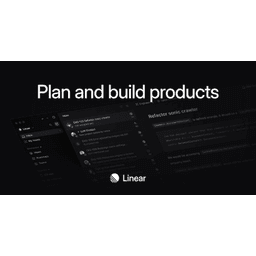
The issue tracker built for modern software teams.

Asana
Manage your team's work, projects, & tasks online.

Zapier
Automate your work across 6,000+ app integrations.
Mercury
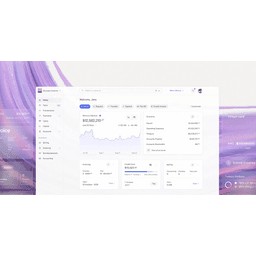
Banking for ambitious companies.